
Building a Sustainable Home in Chennai: Eco-Friendly Practices


Introduction to Sustainable Living
As urbanization intensifies, the demand for sustainable living practices becomes increasingly crucial. In Chennai, a city known for its cultural richness and rapid development, building a sustainable home can significantly contribute to environmental conservation. By adopting eco-friendly practices, homeowners can reduce their carbon footprint and promote a healthier lifestyle.
Sustainable homes are not just about reducing energy consumption; they also encompass efficient use of resources, waste reduction, and creating a comfortable living environment. In this blog, we'll explore effective methods to build a sustainable home in Chennai.
Energy Efficiency
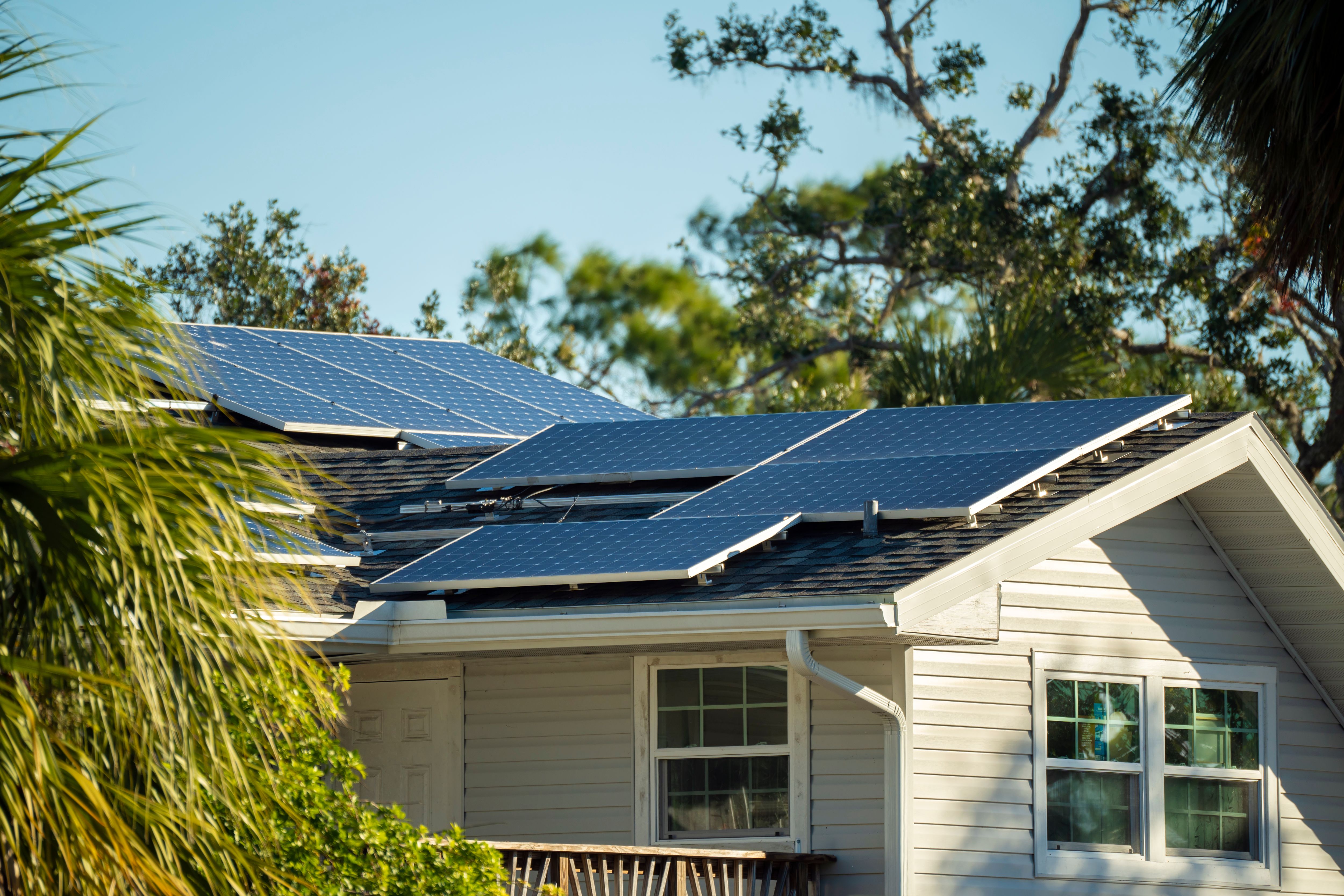
One of the primary aspects of a sustainable home is energy efficiency. Implementing solutions like solar panels can harness Chennai's abundant sunlight, providing a renewable energy source. Solar panels not only reduce electricity bills but also minimize reliance on non-renewable resources.
Additionally, using energy-efficient appliances and LED lighting can further decrease energy consumption. Smart home systems that automate lighting and climate control can optimize energy use, ensuring that energy is not wasted when it's not needed.
Water Conservation
Chennai faces challenges with water scarcity, making water conservation a critical component of sustainable living. Installing rainwater harvesting systems can capture and store rainwater for household use. This practice not only conserves water but also helps manage water runoff during heavy rains.

Low-flow fixtures for showers, faucets, and toilets can significantly reduce water usage without sacrificing performance. Implementing these fixtures is a cost-effective way to conserve water in daily activities.
Eco-Friendly Materials
Choosing sustainable building materials is vital for reducing the environmental impact of construction. Materials such as bamboo, reclaimed wood, and recycled metal are excellent choices for eco-friendly construction. These materials are not only sustainable but also add unique aesthetic value to the home.
Additionally, using non-toxic paints and finishes improves indoor air quality, making the living environment healthier for occupants. Selecting locally sourced materials can further reduce the carbon footprint associated with transportation.
Waste Reduction
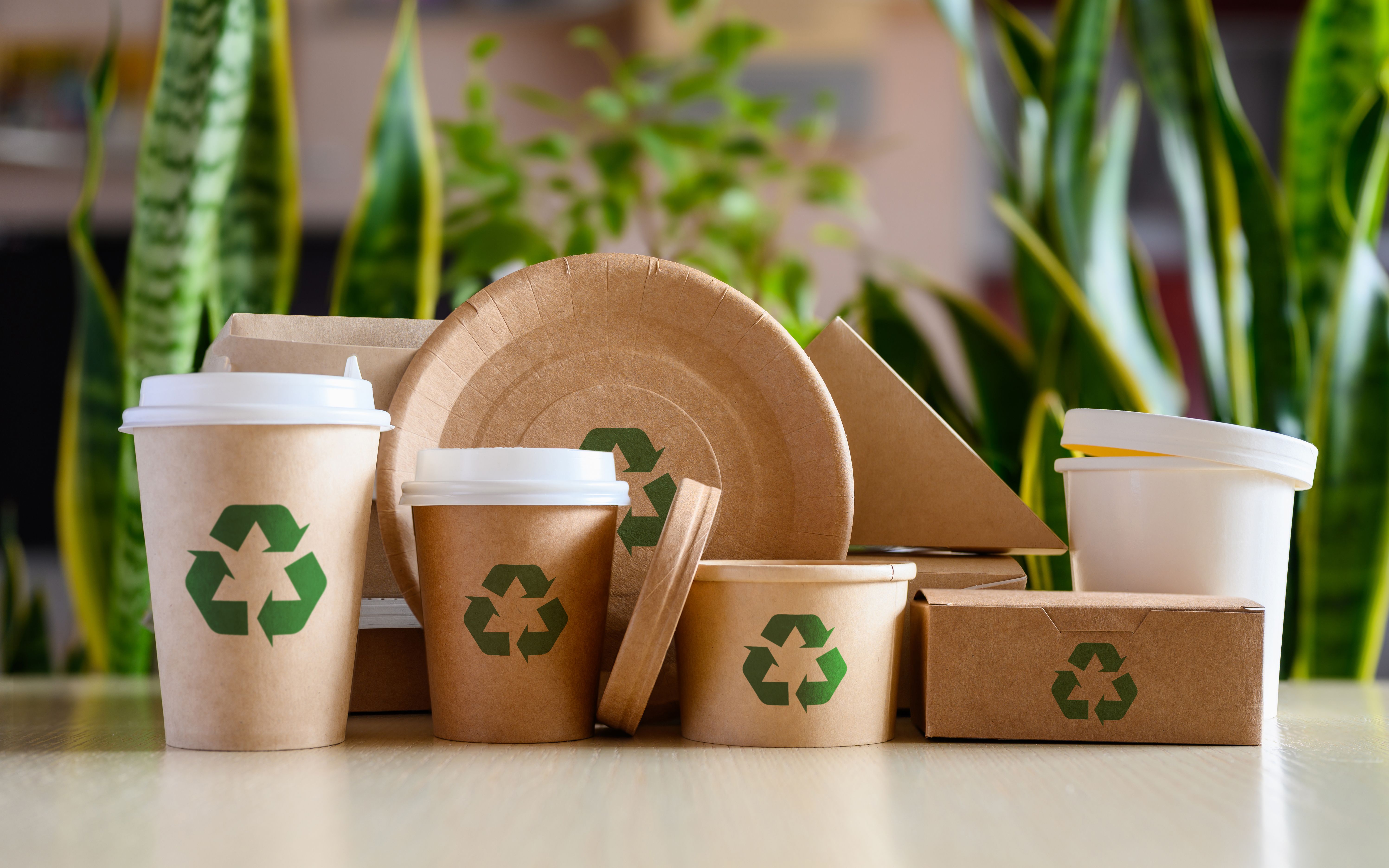
Minimizing waste during the construction and operation of a home is essential for sustainability. Implementing a robust recycling system can ensure that materials like paper, plastic, and metal are properly recycled. Composting organic waste can also reduce the amount of waste sent to landfills and produce nutrient-rich soil for gardening.
Designing a home with flexible spaces that can be easily adapted for different uses over time can reduce the need for renovations and the waste they generate. This approach not only conserves resources but also saves money in the long run.
Conclusion
Building a sustainable home in Chennai is an achievable and rewarding endeavor. By focusing on energy efficiency, water conservation, eco-friendly materials, and waste reduction, homeowners can create a living space that is both environmentally responsible and economically beneficial. Embracing these practices contributes to a healthier planet and a better quality of life.
As more people in Chennai and beyond recognize the benefits of sustainable living, the collective impact can lead to significant environmental improvements. It's time to take action and start building a future that respects our planet's resources.