
Top 5 Eco-Friendly Building Materials for Your Next Project


As the world becomes increasingly aware of the need for sustainable living, eco-friendly building materials are gaining popularity in construction projects. Choosing the right materials not only benefits the environment but can also enhance the efficiency and aesthetics of your building. Here are the top five eco-friendly building materials to consider for your next project.
Bamboo
Bamboo is a highly sustainable material due to its rapid growth rate. It can be harvested in as little as three to five years, compared to traditional hardwoods that can take decades to mature. Bamboo is also incredibly strong and flexible, making it an excellent choice for flooring, cabinetry, and even structural elements.
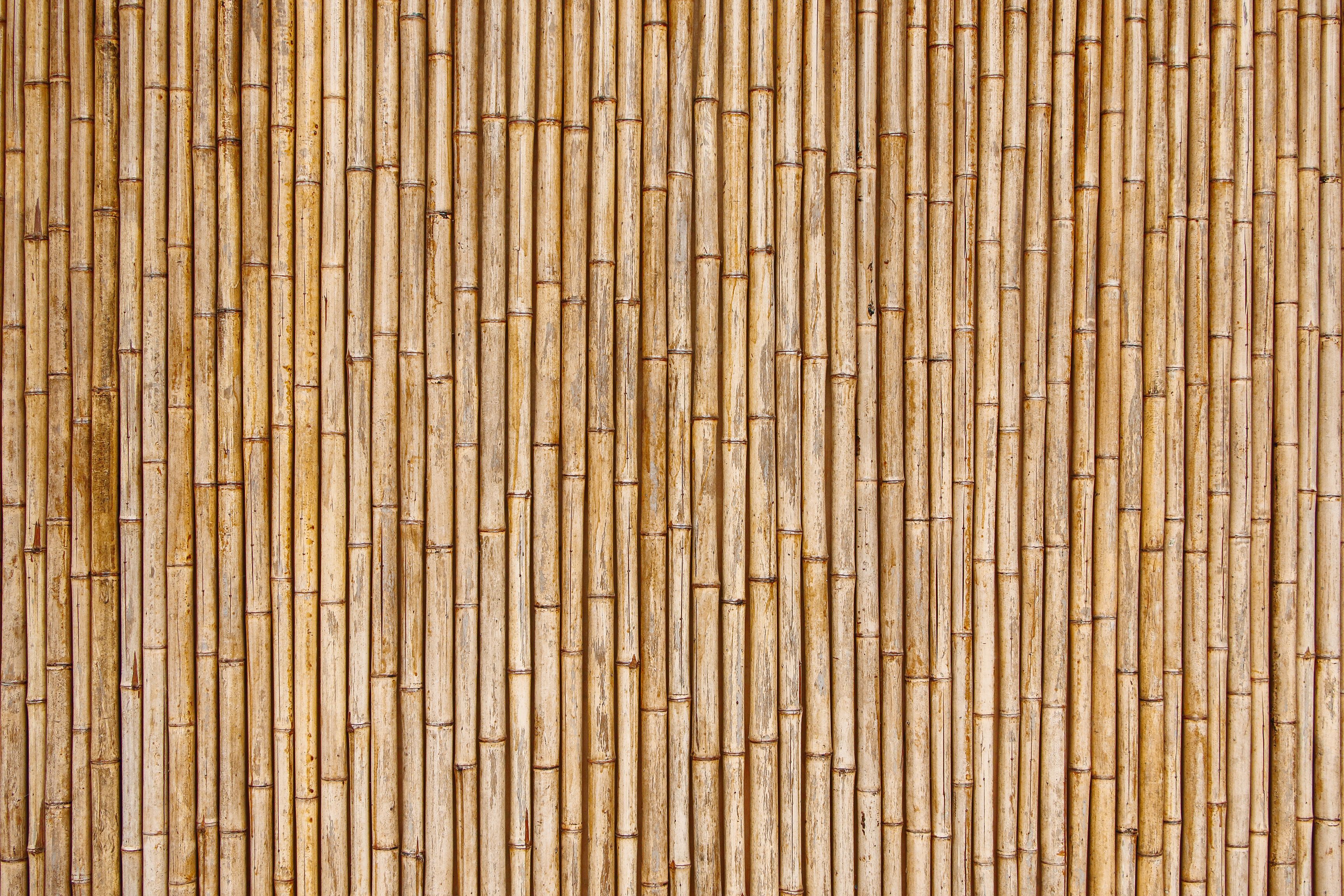
Benefits of Bamboo
Bamboo's strength-to-weight ratio is comparable to steel, making it a durable option. Its natural look adds warmth and elegance to any space. Additionally, bamboo plantations absorb more carbon dioxide and release more oxygen compared to equivalent stands of trees, contributing positively to air quality.
Recycled Steel
Recycled steel is another eco-friendly building material that offers strength and durability. Using recycled steel reduces the need for mining and decreases the carbon footprint associated with new steel production. It’s commonly used in structural frameworks and roofing.

Advantages of Using Recycled Steel
Steel is 100% recyclable, and even after multiple uses, it maintains its strength and structural integrity. It is also resistant to pests, fire, and weather, reducing long-term maintenance costs. Choosing recycled steel supports a circular economy, conserving natural resources.
Cork
Cork is a renewable material harvested from the bark of cork oak trees. The harvesting process does not harm the trees, and the bark regenerates, making cork an excellent sustainable option. It's commonly used for flooring, insulation, and even wall coverings.
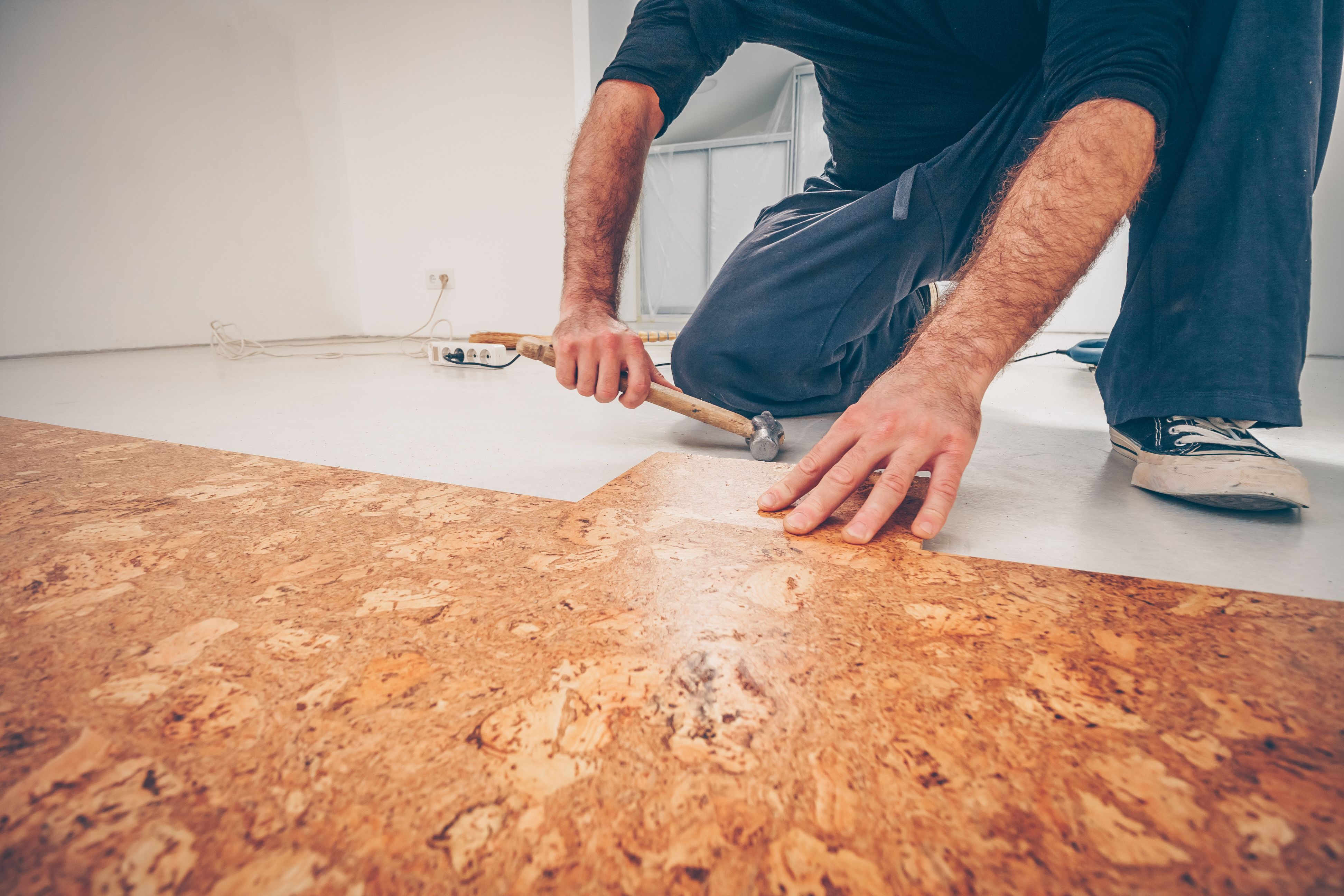
Why Choose Cork?
Cork is naturally resistant to moisture, mold, and pests, making it ideal for various applications. It also offers excellent thermal and acoustic insulation properties. Its soft, cushioned surface is comfortable underfoot, enhancing living spaces.
Rammed Earth
Rammed earth is a traditional building method that has gained modern popularity due to its sustainability. It involves compacting a mixture of earth, gravel, and sometimes cement to create sturdy walls. This material offers a unique, natural aesthetic.
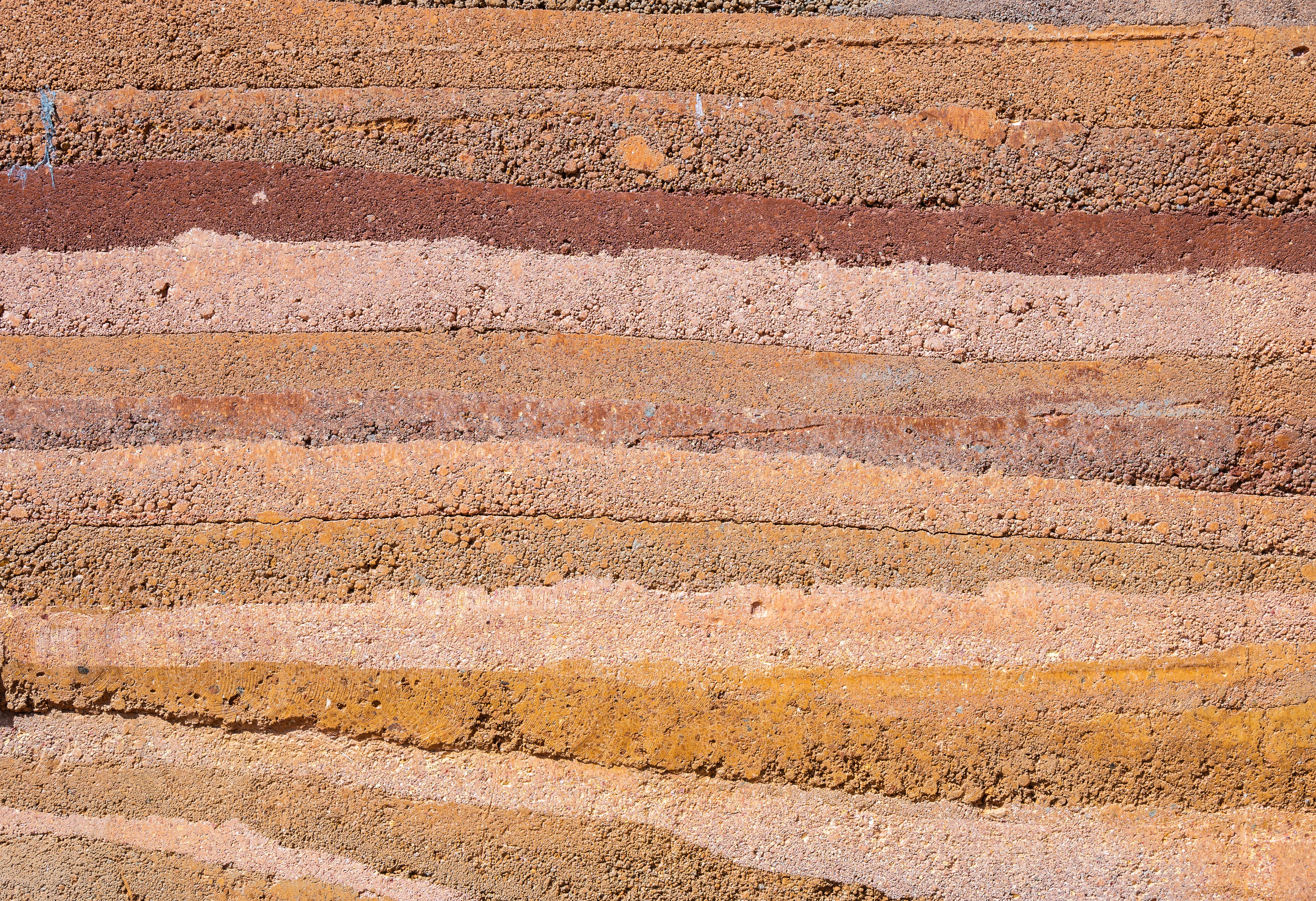
Environmental Impact of Rammed Earth
Using local soil reduces transportation emissions, and the thermal mass of rammed earth can help regulate indoor temperatures, improving energy efficiency. Its durability ensures that structures built with rammed earth can last for generations.
Reclaimed Wood
Reclaimed wood repurposes old timber from sources like barns, factories, and warehouses. It adds character and history to any project while reducing the demand for new lumber, preserving forests.
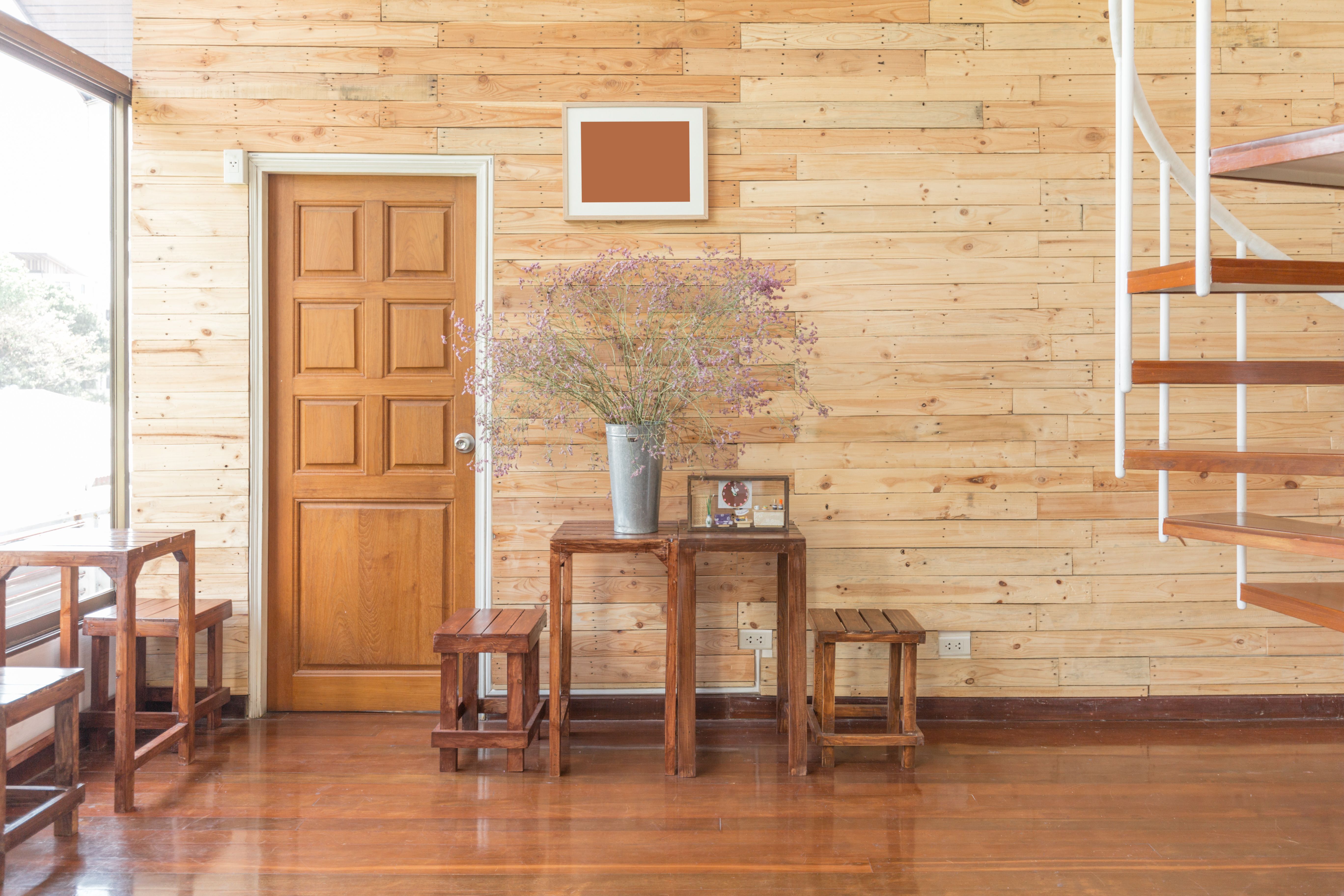
Perks of Using Reclaimed Wood
Each piece of reclaimed wood is unique, often featuring weathered textures and rich patinas. It’s a strong, durable material suitable for flooring, beams, and furniture. By using reclaimed wood, you’re contributing to the reduction of landfill waste and the conservation of natural resources.
Choosing eco-friendly building materials is a smart decision for both the environment and your project’s overall quality. By integrating these sustainable options, you not only reduce the environmental impact but also create a healthier and more efficient living space.